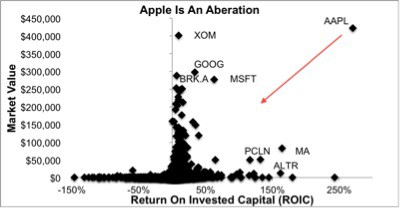
Apple Stays Rotten
The “value” in Apple is an illusion. Astute investors need to look at Apple through the lens of what is a reasonable ROIC in the future.
 David Trainer, Founder & CEO
David Trainer, Founder & CEO
David Trainer, Founder & CEO
 David Trainer, Founder & CEO
 David Trainer, Founder & CEO
 David Trainer, Founder & CEO
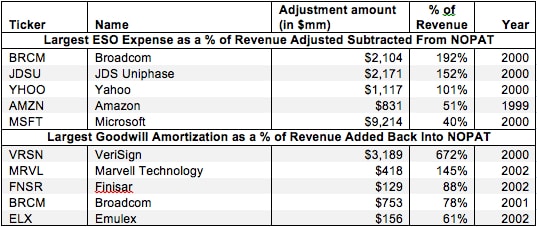 David Trainer, Founder & CEO
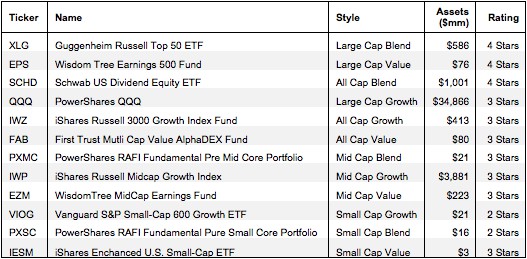 David Trainer, Founder & CEO
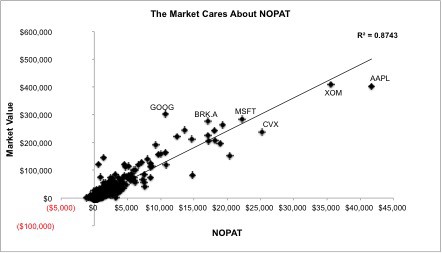 David Trainer, Founder & CEO
 David Trainer, Founder & CEO
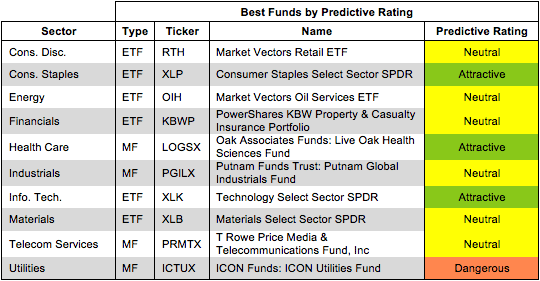 David Trainer, Founder & CEO
 David Trainer, Founder & CEO
 David Trainer, Founder & CEO
 David Trainer, Founder & CEO
 David Trainer, Founder & CEO
David Trainer, Founder & CEO
David Trainer, Founder & CEO
 David Trainer, Founder & CEO
 David Trainer, Founder & CEO
David Trainer, Founder & CEO
David Trainer, Founder & CEO
 David Trainer, Founder & CEO
 David Trainer, Founder & CEO
 David Trainer, Founder & CEO